
Skip to content

Category: Energy Services

Innovations in Carbon Management: Alberta’s Path to a Greener Oil and Gas Industry

In the evolving landscape of Alberta’s oil and gas industry, a significant transformation is underway, driven by the growing pressure to reduce carbon emissions and enhance environmental stewardship. This shift is not only about compliance with regulations but also about seizing opportunities for innovation, economic growth, and sustainable development.

The Push for Carbon Management in Oil & Gas

Alberta’s oil sands are a cornerstone of Canada’s energy sector, contributing substantially to the national economy. However, they are also a significant source of greenhouse gas (GHG) emissions, which has led to increased scrutiny and the need for effective carbon management strategies. The province has recognized that addressing these environmental challenges is crucial for maintaining its social license to operate and ensuring long-term economic viability.

Advancements in Carbon Capture, Utilization, and Storage (CCUS)

phoenixr77 A professional operations manager standing confide 5e2924a4 f79c 4326 858b 462321b544e1 0 300x168 - Innovations in Carbon Management: Alberta's Path to a Greener Oil and Gas IndustryOne of the most promising approaches to mitigating GHG emissions in Alberta is the implementation of Carbon Capture, Utilization, and Storage (CCUS) technologies. CCUS involves capturing carbon dioxide (CO₂) emissions from industrial processes, transporting it to suitable sites, and either utilizing it in various applications or storing it underground in geological formations.

Alberta has been at the forefront of CCUS development, with significant investments and regulatory frameworks established to support its deployment. The province has invested billions of dollars into CCUS projects and programs, as well as significant regulatory enhancements and knowledge sharing. This support includes funding from the Technology Innovation and Emissions Reduction (TIER) fund.

Key CCUS Projects in Alberta

Several notable CCUS projects are operational in Alberta, demonstrating the province’s commitment to reducing emissions through innovative technologies:

  1. Quest Carbon Capture and Storage Project: Operated by Shell Canada, the Quest project captures CO₂ from the Scotford Upgrader near Edmonton and stores it deep underground. Since its inception in 2015, Quest has successfully captured and stored over 6 million tonnes of CO₂, showcasing the viability of large-scale carbon sequestration.
  2. Alberta Carbon Trunk Line (ACTL): The ACTL system is a significant pipeline network that transports captured CO₂ from industrial emitters in Alberta’s Industrial Heartland to aging oil reservoirs in central and southern Alberta for enhanced oil recovery and permanent storage. This project exemplifies the integration of emission reduction with economic benefits, as it not only reduces atmospheric CO₂ but also enhances oil production.

Regulatory Framework and Support

phoenixr77 A professional operations manager standing confide 1b5846a5 05d5 4931 9780 09a5b11530b7 1 300x168 - Innovations in Carbon Management: Alberta's Path to a Greener Oil and Gas IndustryThe success of CCUS in Alberta is underpinned by a robust regulatory framework designed to ensure environmental safety and project efficacy. The Alberta Energy Regulator (AER) plays a pivotal role in overseeing CCUS activities, regulating both Carbon Capture and Storage (CCS) and Carbon Capture, Utilization, and Storage (CCUS) processes. The AER’s comprehensive guidelines cover various aspects of CCUS projects, including site selection, monitoring, measurement, and verification, ensuring that CO₂ is stored safely and effectively.

Furthermore, the Government of Alberta has implemented policies to encourage the adoption of CCUS technologies. The Carbon Capture and Storage Funding Act approved up to $2 billion to expedite the design, construction, and operation of CCS projects in the province. This financial commitment underscores Alberta’s dedication to reducing emissions while maintaining energy sector competitiveness.

Economic and Environmental Benefits

The integration of CCUS technologies in Alberta’s oil and gas industry offers multiple benefits:

  • Emission Reduction: By capturing and storing CO₂ emissions, CCUS significantly reduces the carbon footprint of industrial operations, contributing to provincial and national climate goals.
  • Enhanced Oil Recovery (EOR): The utilization of captured CO₂ in EOR processes not only sequesters carbon but also increases oil extraction efficiency, leading to additional economic returns.
  • Technological Leadership: Alberta’s proactive approach to CCUS positions the province as a leader in carbon management technologies, potentially opening avenues for knowledge export and collaboration on a global scale.

Challenges and Future Directions

Despite the progress, several challenges persist in the widespread adoption of CCUS:

  • High Capital Costs: The development and deployment of CCUS infrastructure require substantial investment, necessitating continued financial support and innovative funding mechanisms.
  • Public Perception and Awareness: Building public trust through transparent communication about the safety and benefits of CCUS is essential for its acceptance.
  • Regulatory Hurdles: Streamlining regulatory processes while maintaining rigorous environmental standards is crucial to facilitate project development.

phoenixr77 A professional operations manager standing confident 826790fe 90d9 463e 9ea2 1fa5e47fcdb2 300x168 - Innovations in Carbon Management: Alberta's Path to a Greener Oil and Gas IndustryLooking ahead, Alberta aims to expand its CCUS capacity through initiatives such as the development of carbon storage hubs. These hubs will manage the sequestration of CO₂ from various emission sources, optimizing storage efficiency and monitoring. The province is issuing carbon sequestration rights through a competitive process to enable the development of these hubs, reflecting a strategic approach to managing CCUS growth.

Conclusion

Alberta’s oil and gas industry is undergoing a transformative shift towards sustainable practices, with CCUS technologies playing a central role in this evolution. Through substantial investments, supportive policies, and innovative projects, the province is addressing environmental challenges while unlocking economic opportunities. As Alberta continues to navigate the path of carbon management, it sets a compelling example of how traditional energy sectors can adapt and thrive in a low-carbon future.

Comments closed


Mobile Boiler Units: Revolutionizing the Oil and Gas Industry

In the fast-paced and high-demand Oil and Gas Industry, innovative solutions are paramount to maintain efficiency and meet complex challenges. A vital element that has emerged as a game-changer is the concept of Mobile Boiler Services.

Mobile Boiler Units (MBUs) are portable, high-capacity boilers designed to deliver on-demand steam and hot water supply. They can be quickly deployed and setup at any location, making them ideal for time-sensitive operations and emergency situations in the oil and gas industry. The main applications of mobile boilers in the oil and gas industry can be classified under three major categories: On-site Boiler Maintenance, Emergency Boiler Services, and Oilfield Boiler Services.

On-Site Boiler Maintenance

Regular maintenance is crucial to the smooth operation of industrial boiler services. However, it often involves shutting down the boiler, leading to costly downtime. MBUs offer a solution by providing Temporary Boiler Solutions. With an MBU, the regular boiler can be taken offline for maintenance or repairs without disrupting operations, as the MBU takes over the production of steam or hot water.

It’s also worth noting the role of Mobile Boiler Repair in situations where the boiler is damaged or malfunctioning. With an MBU on site, operations can continue while repair work is performed.

Emergency Boiler Services

Emergencies such as boiler breakdowns can be devastating, leading to production loss, increased costs, and potential safety risks. Rapid response is critical, and this is where Rapid Response Boiler Services come in.

MBUs can be dispatched quickly and efficiently to provide emergency steam or hot water. They are also equipped with High-Pressure Boiler Systems that can handle demanding applications and tough operating conditions commonly found in oil and gas operations.

Oilfield Boiler Services

In the oilfield, MBUs play a critical role. They provide heat for various processes, including well testing, casing drying, and equipment thawing. These Oilfield Boiler Services not only enhance productivity but also contribute to safety by preventing equipment freeze-ups in colder climates.

Furthermore, the deployment of Mobile Boiler Rentals in oilfields provides a flexible solution for temporary steam requirements or during periods of increased demand.

MBUs have indeed revolutionized the boiler service landscape in the oil and gas industry. However, as with any industrial equipment, they must be properly maintained and operated. Key services such as Boiler Safety Inspection, Boiler Efficiency Testing, and Combustion Boiler Services should not be overlooked to ensure the longevity and safe operation of these units.

In conclusion, MBUs have emerged as a versatile and efficient solution for a variety of applications within the oil and gas industry. As technology advances, we can only expect to see their role expand, further enhancing the industry’s ability to meet its demanding operational and safety requirements.

For further information about Mobile Boiler Units, you can refer to these resources:

  1. U.S. Department of Energy – Energy Efficiency and Renewable Energy
  2. U.S. Environmental Protection Agency – Natural Gas Extraction
  3. The National Board of Boiler and Pressure Vessel Inspectors

Remember, choosing the right service provider for your mobile boiler needs is crucial. Harvest Oilfield Service offers a range of services designed to meet your unique requirements, ensuring your operations continue without disruption.

Comments closed

Leak Detection and Repair in Oil & Gas

The oil and gas industry relies heavily on pipelines to transport resources and products from one area to another. Unfortunately, as with any type of infrastructure, leaks can occur in these pipelines, causing costly damage to the environment and the economy. For this reason, it is essential that these pipelines are regularly inspected and maintained to ensure they are operating safely and efficiently.

One of the most important parts of this process is leak detection and repair. Leak detection is the process of identifying and locating leaks in a pipeline system. This can be done through visual inspection, listening for leaks with specialized equipment, or using sophisticated sensing devices. Once the leak is identified, repair can begin.

Repairing a leak in a pipeline can be a difficult and dangerous task. Depending on the severity of the leak, the repair can range from a simple patch job to a full replacement. For a patch job, the process includes cleaning the area around the leak, applying a sealant to the area, and then re-pressurizing the pipeline. For a more serious leak, a full replacement may be necessary, which can involve cutting out the damaged section of the pipe and replacing it with a new one.

In order to prevent major repairs, regular inspections of pipelines can help pinpoint potential issues before they become major problems. This includes visual inspections, acoustic leak detection, and other methods such as pressure testing, ultrasonic testing, and infrared imaging. Regularly inspecting a pipeline can help identify issues before they become major problems.

Leak detection and repair are essential for the safe and efficient operation of a pipeline system. By regularly inspecting pipelines, any potential issues can be addressed before they become major problems. This helps to reduce the risk of environmental damage, economic losses, and safety concerns.

Comments closed

How Have Energy Service Companies Adapted to the NEW Norm?

A fast growth segment in gas and oil is the ESCO. The start of the energy services business can be attributed to the energy crisis of the late 70s, as business people developed ways to overcome the rise in energy costs. The ultimate challenge of a typical energy service company (ESCO) is always to deliver substantial savings in energy spending by delivering energy audits and reviews and effectively making processes more cost-efficient when it comes to energy rates.

As indicated by recent studies and news provided by energy news websites, moving towards 2022 we’re set to see record big oil prices. Nevertheless another synchronous trend is governing bodies, just like the one in Canada, are all stressing for carbon neutrality within the next five years. In Canada despite the fact that there are a number of provinces and regions with oil reserves, none of them have more than that of Alberta. This province is holding 39% of Canada’s remaining oil reserves.

After their beginnings in the 80s, energy service organizations have evolved and expanded. Since COVID enveloped the world we have seen probably the most radical modifications to this sector while working to remain relevant. Progress in technology have contributed to the industry’s progress as a whole.

Energy services companies are primarily distinct from consulting technical engineers and equipment contractors: the former are as a rule paid for their advice, while the latter are paid for the gear. With deregulation in the U.S. energy markets in the nineties, the energy service company enjoyed a rapid boost. Utilities, which for a long time valued the shelter of monopolies with certain profits on power plant assets, now had to compete to supply power to most of their biggest clientele. Now they’re popular amongst many organizations this includes municipalities, school districts, industrial projects and commercial markets.

The huge distinctions between the right leading government of the United States Of America and the Liberals of Canada is palatable in that one believes in wholesale deregulations whereas the other regulates the energy sector to the point of suffocation.

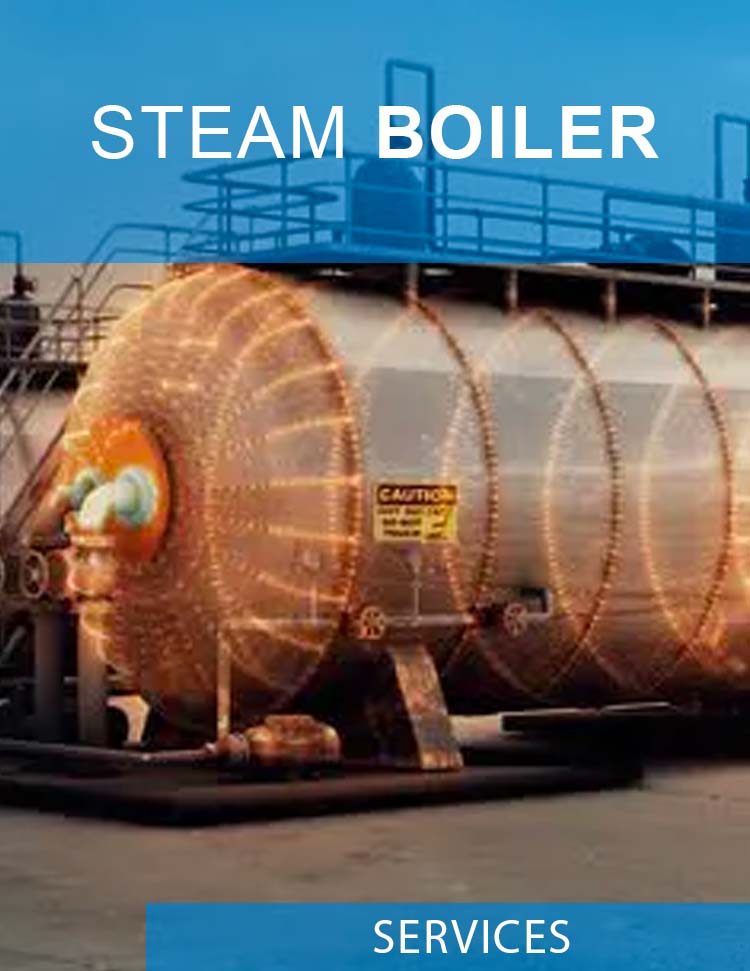
STEAM BOILER - How Have Energy Service Companies Adapted to the NEW Norm?
Image used with permission of https://www.harvestoilfieldservice.com/services/steam-services/

There’s many types of energy service organizations which includes but not limited to: automation, drafting, project management, drilling, fuel flare vent, industrial cleaning, boiler services and quite a few other energy service. In truth we can easily go on all day about the broad list of services ESCOs provide.

Energy procurement organizations also play a very important role in the management of energy costs with the intent of lowering costs and making efficiency a top priority in numerous organizations. Energy consulting agencies totally focus on one point…budgeting by streamlining process from an energy consumption standpoint. Energy consultants typically begin their contracts by carrying out a thorough energy review and developing a start line. What this does is it develops a measurable start line for which everything going forward will be measured with to define energy cost savings efficiency. The pluses of operating closely with top company management is that when a judgment has to be made its made immediately. That’s why energy consultants work with and report to, business executives. It really is essential to see the usefulness of direct access to corporates when reporting on energy costs and in particular when negotiating prices.

Energy services companies encompass a wide array of different providers and products. As to be expected across much of the world, coronavirus has forced the industry to rediscover itself and therefore we are now seeing many providers adapt to this “new normal”. This according to what the Canadian energy news site, The Energy Report is saying.

We interviewed an executive with Mohawk Energy service providers who provide steam truck services. He had this to say about our post-COVID world.

“While it has changed things apart from the time where oil prices dropped, we have as a matter of fact noticed growth.”

Turnaround solutions is an additional part to the variety of service by energy service companies which includes project management through operational shutdowns of facilities at the time of maintenance. This kind of service can encompass several other solutions within it this includes regulative, measuring, testing and many more. Based on the scope of the job, these projects primarily last from 2 to 6 weeks.

ESCOs understand the complexity of retaining government and other regulative standards to ensure that they can obtain efficiency, compliancy and cost savings, for no matter what organization they might be employed with. Whilst it’s true there’s undoubtedly many assorted solutions delivered under the energy services variety, what is certainly, cost and efficiency as their primary focus.

Energy utility companies began to advance before the pandemic when they began to see the innate value in bundling a variety of service jointly like telephone, internet and TV. But yet beyond that you now see utility organizations also providing home and commercial alarms and smart home solutions. It’s become commonplace in Canada and the US that energy providers are now promoting bundled solutions like phone, TV, internet and mobile phones but honestly there is a great deal of this going on in the B2B (business to business) side whilst public surveillance and security systems are also being presented. From a solely monetary/business view this partnership of utility company and service company is genius.

So I know what you’re thinking. Doesn’t this make energy service providers firms go the way of the dinosaur? Nope. Think of this like the battle of the Titans whereas the big utility organizations are the ones who will fight it out for the energy consumer cash. There are many different services encompassed by the term energy service company. Many, if not most, all are tied to boots on the ground industrial services like those in the oilfields. In closing you should note that energy solutions is a thriving business that involves a myriad of different project specific service providers when in the oilfields or on the rig.

Comments closed

How COVID Has Affected Energy Services Provider Companies

Ever since the early nineties we’ve witnessed the introduction of energy service businesses. Energy service firms cover a wide-ranging spectrum of energy sector services. An energy service provider is a company that provides thorough energy solutions to their clientele, which includes auditing, upgrading and implementing adjustments to the ways the customer consumes energy, the main milestone being boosted efficiency.

From their inception in the 80s, energy service providers have evolved and expanded. Since COVID enveloped the world we’ve seen probably the most radical changes to this sector while trying to remain relevant. Breakthroughs in technology have added to the industry’s advancement as a whole.

energy service providers - How COVID Has Affected Energy Services Provider CompaniesAs we’ve earlier noted, the primary intent for energy service providers comes down to decreasing spending and create renewable solutions in the future. In the nineties with deregulation we witnessed the rise of ESCOs then circumstances slowed down during the Obama administration we witnessed reversals of regulations merely to again be deregulated by the current President Donald Trump. Presently we’re witness to undoubtedly one of the greatest deregulating governments the U . S . has ever seen which is only getting better with recent comments from the Trump Administration made in Texas this past week.

The stark differences concerning the Republican government of the US and the left of Canada is palatable because one trusts in sweeping deregulations while the other regulates the energy sector so much they hinder progress.

Each ESCO differs in their own technical special areas of practice whilst others include the over-all assortment of services such as measurement & regulatory, project planning, integrated solutions, commissioning & startup and more. Even though there are various distinctive service providers inside this market, something they all share is an intrinsic tie to the market overall.

One of the most popular energy service is the one of energy management. Energy management businesses are progressively more prevalent as energy prices increase. Energy consulting organizations really focus on one thing and one thing only…spend less by streamlining process from an energy expenditure perspective. Creating a base-line before starting on any energy cost savings commitment is a necessary aspect to any energy management service. Developing a recorded starting position after a company does its energy analysis is imperative. Organizations that hire energy management companies realize the advantages of these reports by these energy service providers and subsequently often work directly with each other. At this hierarchical degree the energy consultants have immediate access to the organizations management.

Energy solutions firms encompass a wide array of different service and products. As to be expected across much of the world, coronavirus has forced the industry to rediscover itself and therefore we are now seeing many providers adapt to this “new normal”.

We interviewed an executive with Intricate, an Alberta-based energy services company, who had this to say about our post-COVID world.

“What the future holds after COVID is anyone’s guess but we can persevere like always by adjusting to what everyone is labeling the new norm.”

esp - How COVID Has Affected Energy Services Provider CompaniesThere’s plenty of different factors when it comes to the variety of services offered by these organizations, but one thing they have in common is they are all fundamentally associated with the unpredictable price of energy.

One aspect energy providers have to manage, is governmental ordinances and keep up-to-date with the ever changing rules and guidelines they must comply with. Although it is true there is definitely a multitude of various solutions delivered under the energy service providers scope, what is certainly, cost and efficiency as their primary focus.

Ahead of COVID we had already began to see utility firms start to transform themselves and make themselves more significant by bundling service providers you may not of previous thought they could offer. Things like internet providers now offering bundles with TV and home phone on top of the internet service. In the U.S. and Canada this alteration has already launched with major utility firms bundling their solutions and coupling them with discounts, in order to attract people and organizations to trust them with all their energy service requirements. We’re now experiencing the progression and merger of utility and service firms.

You’re probably asking yourself that if this truly is transpiring then wouldn’t that make independent ESCOs obsolescent? Lastly, you should note that energy services is a booming company that entails a wide selection of different job specific providers whether in the oilfields or on the rig.

Comments closed