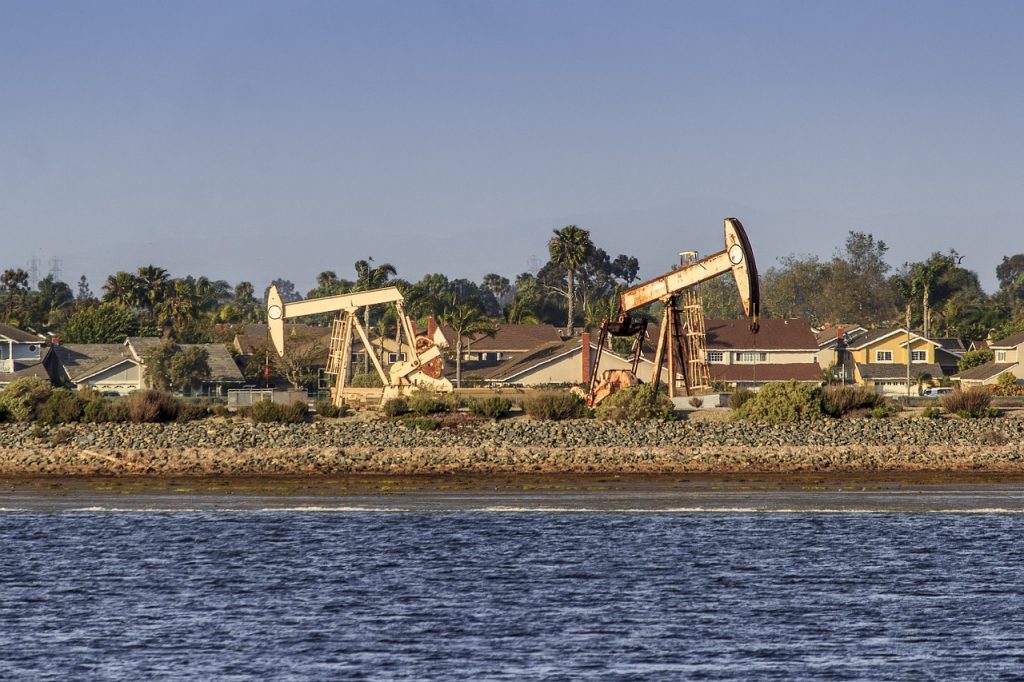

In the evolving landscape of Alberta’s oil and gas industry, a significant transformation is underway, driven by the growing pressure to reduce carbon emissions and enhance environmental stewardship. This shift is not only about compliance with regulations but also about seizing opportunities for innovation, economic growth, and sustainable development.
The Push for Carbon Management in Oil & Gas
Alberta’s oil sands are a cornerstone of Canada’s energy sector, contributing substantially to the national economy. However, they are also a significant source of greenhouse gas (GHG) emissions, which has led to increased scrutiny and the need for effective carbon management strategies. The province has recognized that addressing these environmental challenges is crucial for maintaining its social license to operate and ensuring long-term economic viability.
Advancements in Carbon Capture, Utilization, and Storage (CCUS)
 One of the most promising approaches to mitigating GHG emissions in Alberta is the implementation of Carbon Capture, Utilization, and Storage (CCUS) technologies. CCUS involves capturing carbon dioxide (CO₂) emissions from industrial processes, transporting it to suitable sites, and either utilizing it in various applications or storing it underground in geological formations.
Alberta has been at the forefront of CCUS development, with significant investments and regulatory frameworks established to support its deployment. The province has invested billions of dollars into CCUS projects and programs, as well as significant regulatory enhancements and knowledge sharing. This support includes funding from the Technology Innovation and Emissions Reduction (TIER) fund.
Key CCUS Projects in Alberta
Several notable CCUS projects are operational in Alberta, demonstrating the province’s commitment to reducing emissions through innovative technologies:
- Quest Carbon Capture and Storage Project: Operated by Shell Canada, the Quest project captures CO₂ from the Scotford Upgrader near Edmonton and stores it deep underground. Since its inception in 2015, Quest has successfully captured and stored over 6 million tonnes of CO₂, showcasing the viability of large-scale carbon sequestration.
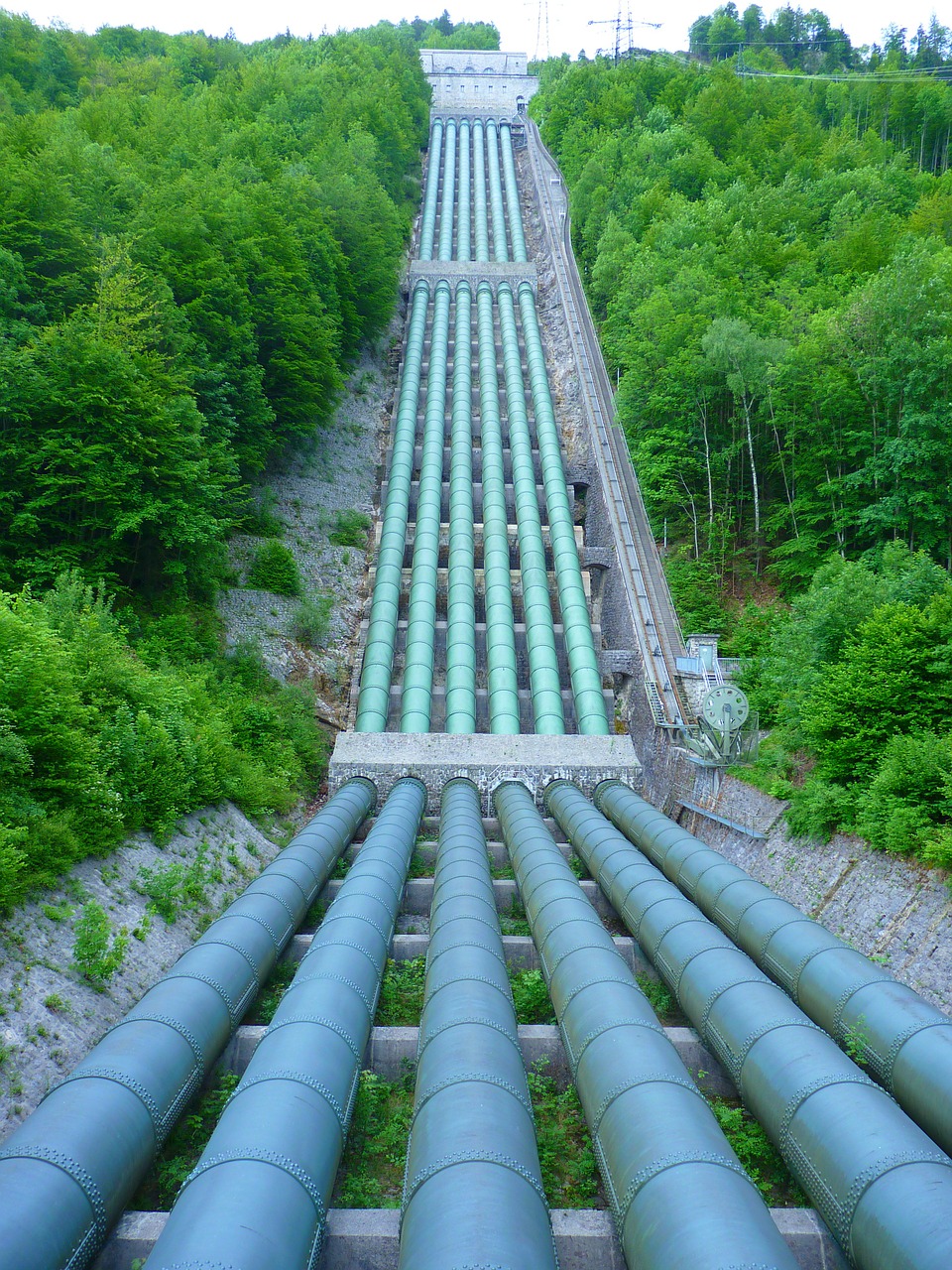
- Alberta Carbon Trunk Line (ACTL): The ACTL system is a significant pipeline network that transports captured CO₂ from industrial emitters in Alberta’s Industrial Heartland to aging oil reservoirs in central and southern Alberta for enhanced oil recovery and permanent storage. This project exemplifies the integration of emission reduction with economic benefits, as it not only reduces atmospheric CO₂ but also enhances oil production.
Regulatory Framework and Support
 The success of CCUS in Alberta is underpinned by a robust regulatory framework designed to ensure environmental safety and project efficacy. The Alberta Energy Regulator (AER) plays a pivotal role in overseeing CCUS activities, regulating both Carbon Capture and Storage (CCS) and Carbon Capture, Utilization, and Storage (CCUS) processes. The AER’s comprehensive guidelines cover various aspects of CCUS projects, including site selection, monitoring, measurement, and verification, ensuring that CO₂ is stored safely and effectively.
Furthermore, the Government of Alberta has implemented policies to encourage the adoption of CCUS technologies. The Carbon Capture and Storage Funding Act approved up to $2 billion to expedite the design, construction, and operation of CCS projects in the province. This financial commitment underscores Alberta’s dedication to reducing emissions while maintaining energy sector competitiveness.
Economic and Environmental Benefits
The integration of CCUS technologies in Alberta’s oil and gas industry offers multiple benefits:
- Emission Reduction: By capturing and storing CO₂ emissions, CCUS significantly reduces the carbon footprint of industrial operations, contributing to provincial and national climate goals.
- Enhanced Oil Recovery (EOR): The utilization of captured CO₂ in EOR processes not only sequesters carbon but also increases oil extraction efficiency, leading to additional economic returns.
- Technological Leadership: Alberta’s proactive approach to CCUS positions the province as a leader in carbon management technologies, potentially opening avenues for knowledge export and collaboration on a global scale.
Challenges and Future Directions
Despite the progress, several challenges persist in the widespread adoption of CCUS:
- High Capital Costs: The development and deployment of CCUS infrastructure require substantial investment, necessitating continued financial support and innovative funding mechanisms.
- Public Perception and Awareness: Building public trust through transparent communication about the safety and benefits of CCUS is essential for its acceptance.
- Regulatory Hurdles: Streamlining regulatory processes while maintaining rigorous environmental standards is crucial to facilitate project development.
 Looking ahead, Alberta aims to expand its CCUS capacity through initiatives such as the development of carbon storage hubs. These hubs will manage the sequestration of CO₂ from various emission sources, optimizing storage efficiency and monitoring. The province is issuing carbon sequestration rights through a competitive process to enable the development of these hubs, reflecting a strategic approach to managing CCUS growth.
Conclusion
Alberta’s oil and gas industry is undergoing a transformative shift towards sustainable practices, with CCUS technologies playing a central role in this evolution. Through substantial investments, supportive policies, and innovative projects, the province is addressing environmental challenges while unlocking economic opportunities. As Alberta continues to navigate the path of carbon management, it sets a compelling example of how traditional energy sectors can adapt and thrive in a low-carbon future.
Comments closed